⏱ 3 min read
The chair is sidelining neutral-rate talk and forward guidance in favor of market-based financial conditions, while a wide 2y–funds spread and 3.7% PCE keep hikes in play; balance-sheet reduction is delayed by committee reluctance.
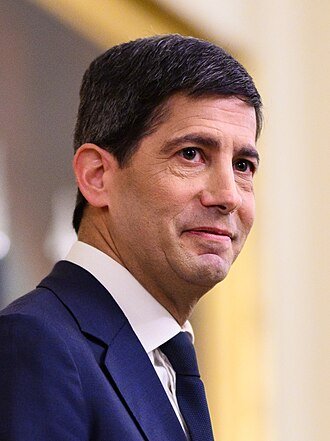
Kevin Warsh’s promise to change the Fed is showing up first in how the central bank sets and explains policy. In his first 127 days, Warsh has shortened post‑FOMC pressers and distanced the Fed from forward guidance and the neutral‑rate framing. Instead, he repeatedly points to “financial conditions” as the lens for judging whether policy is tight enough, a break from his predecessors as reported in the supplied material.
Warsh’s new reaction function
In Jackson Hole and again at his Sept. 16 news conference, Warsh emphasized a suite of market indicators—asset prices, Treasury prices and volumes, the dollar, the cost and availability of credit (including the Senior Loan Officer Opinion Survey), and a broad set of commodities. He said these measures should inform the Fed’s outlook and reveal the state of broader financial conditions. He also dismissed labeling the funds rate as accommodative, neutral, or restrictive, calling the concept academically useful but not decision‑relevant. The through‑line: if inflation is above target and financial conditions are not restrictive, the case for hiking remains open.
Signals the market is sending
The supplied report notes the 2‑year Treasury yield is trading nearly a full percentage point above the effective funds rate—the widest spread since 2023—signaling traders expect further increases. It also cites a 70% probability of another hike in October, with as many as two more priced in by March. Inflation, measured by PCE, printed 3.7% in July. Warsh has said money is still easy based on credit spreads, SLOOS, and loan growth. Commodity strength reinforces the backdrop: the Bloomberg Commodity Index is up more than 30% this year, with diesel up 83%.
Balance sheet: priority deferred
Warsh has long favored shrinking the Fed’s $6.7 trillion balance sheet, but he has not yet moved. According to July FOMC minutes cited in the report, voters were reluctant to accelerate reductions before task forces he appointed deliver recommendations early next year. With inflation above target and oil rising, the committee focused first on rate policy rather than testing whether balance‑sheet cuts would add material restraint. Meanwhile, the 10‑year Treasury yield has moved above 5%, lifting mortgage and consumer rates.
Limits and open questions
There is acknowledged circularity risk: financial conditions also reflect market expectations for the Fed, so the feedback loop can be self‑referential. Critics, including economist Claudia Sahm, question how Warsh will decide “when to stop” without the neutral‑rate yardstick. The framework lacks published thresholds for what constitutes sufficiently tight conditions, and it’s unclear how many FOMC members share Warsh’s stance. He has also declined to participate in the dot plot, while others still offer outlooks.
What to watch next
Two near‑term signals stand out: (1) credit metrics—spreads, SLOOS, and loan growth—for evidence that conditions are actually tightening; and (2) the 2y–funds spread as a clean read of market hike expectations. On structure, the key milestone is the task‑force reports early next year, which could clarify balance‑sheet plans and codify which financial‑conditions indicators will anchor policy decisions.
Fact base: All figures, quotes, and descriptions of Warsh’s remarks, market pricing, inflation, commodity moves, and committee dynamics are drawn from the supplied report.
This content is for informational purposes only and does not constitute financial advice.
🧠 HafidWatch Take
Warsh is shifting from explicit rate-path guidance to a market-driven approach, where hikes depend on inflation remaining above target and financial conditions easing, with tighter credit raising the bar for increases. This puts credit spreads, SLOOS, loan growth, and commodity prices at the core of policy assessment rather than the traditional dot plot. The key challenge is quantifying “conditions” without clear thresholds, leaving investors to navigate indicators influenced by Fed expectations. Greater clarity on balance-sheet plans and defined financial conditions indicators would reduce uncertainty, while for now the 2‑year Treasury versus funds rate spread offers the clearest signal of market expectations for rate hikes.
Daily crypto intelligence. Before the market opens.
Including the Divergence Index — the sentiment gap no other newsletter tracks. Free, every morning at 7:30am ET.
✓ Free forever · ✓ No spam · ✓ 50+ sources monitored