⏱ 2 min read
Core PCE ran 3.1% year on year; the Fed kept rates at 3.75%-4% the day before.
Inflation picked up on the month even as growth beat forecasts in the quarter. The Commerce Department said the personal consumption expenditures price index rose 0.5% in September, lifting the year-over-year rate to 3.6%. Core PCE increased 0.3% on the month and 3.1% on the year. Real gross domestic product expanded at a 3.4% seasonally adjusted annual rate in the third quarter.
According to the report, the 3.4% GDP pace exceeded the 3.1% consensus and was stronger than the second quarter’s 2.2% rate. The release also said consumer spending rose 0.5% in September, a touch below the 0.6% forecast, while personal income increased 0.2% against expectations for 0.3%.
Growth beat and what drove it
The report said economic growth has been driven by higher investment during the artificial intelligence buildout, alongside firm consumer and government spending. In the third quarter, consumer spending increased 3.8%, the same as the prior period. Gross private domestic investment jumped 19.4%, with equipment outlays up 20.9% and intellectual property products up 8.4%. Real sales to private domestic purchasers rose 4.9%, compared to 4.6% in the second quarter.
Inflation signals diverge across time frames
While the monthly PCE reading stepped up and remains above the Federal Reserve’s 2% target on a year-over-year basis, the quarterly inflation gauges cooled. The report showed headline PCE prices rising at a 2.1% rate for the quarter and core at 2.5%, both below their second-quarter readings of 5.0% and 3.3%, respectively. Officials generally view the core measure as more indicative of longer-term trends, the report noted.
Labor data pointed to ongoing tightness. The Labor Department said initial jobless claims fell to a seasonally adjusted 194,000 for the week ended Oct. 24, below the 200,000 estimate and near levels last seen in the late 1960s.
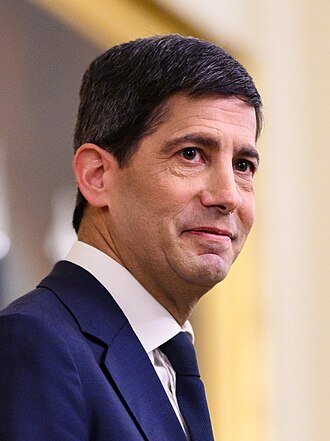
Policy settings were unchanged the day before the data. The Fed voted to hold its benchmark rate in a 3.75%-4% range. Despite elevated inflation readings, central bank officials said they can assess incoming data before deciding their next step. “The period right in front of us is information rich. There is a lot that’s happening in the world. My colleagues and I are keen to take notice of it,” Fed Chairman Kevin Warsh said.
Source: CNBC.
This article was written with AI assistance and reviewed by an editor.
This content is for informational purposes only and does not constitute financial advice.
🧠 HafidWatch Take
The divergence between monthly and quarterly inflation suggests that short-term price fluctuations may be driven by volatile sectors, even as underlying inflation trends moderate. This pattern complicates the Fed’s task, as officials must weigh temporary spikes against longer-term disinflation when deciding on future rate moves. The persistent tightness in the labor market could also sustain inflationary pressures despite the quarterly slowdown, signaling that policy patience remains necessary.
Daily crypto intelligence. Before the market opens.
Including the Divergence Index — the sentiment gap no other newsletter tracks. Free, every morning at 7:30am ET.
✓ Free forever · ✓ No spam · ✓ 50+ sources monitored