🔄 Mixed
⏱ 3 min read
Bitcoin steadied near $63,900 late Saturday after volatility driven by heightening geopolitical turmoil in the Strait of Hormuz and a corresponding spike in oil prices, foregrounding the cryptocurrency’s unique role as a round-the-clock risk barometer while legacy markets closed for the weekend.
What Happened
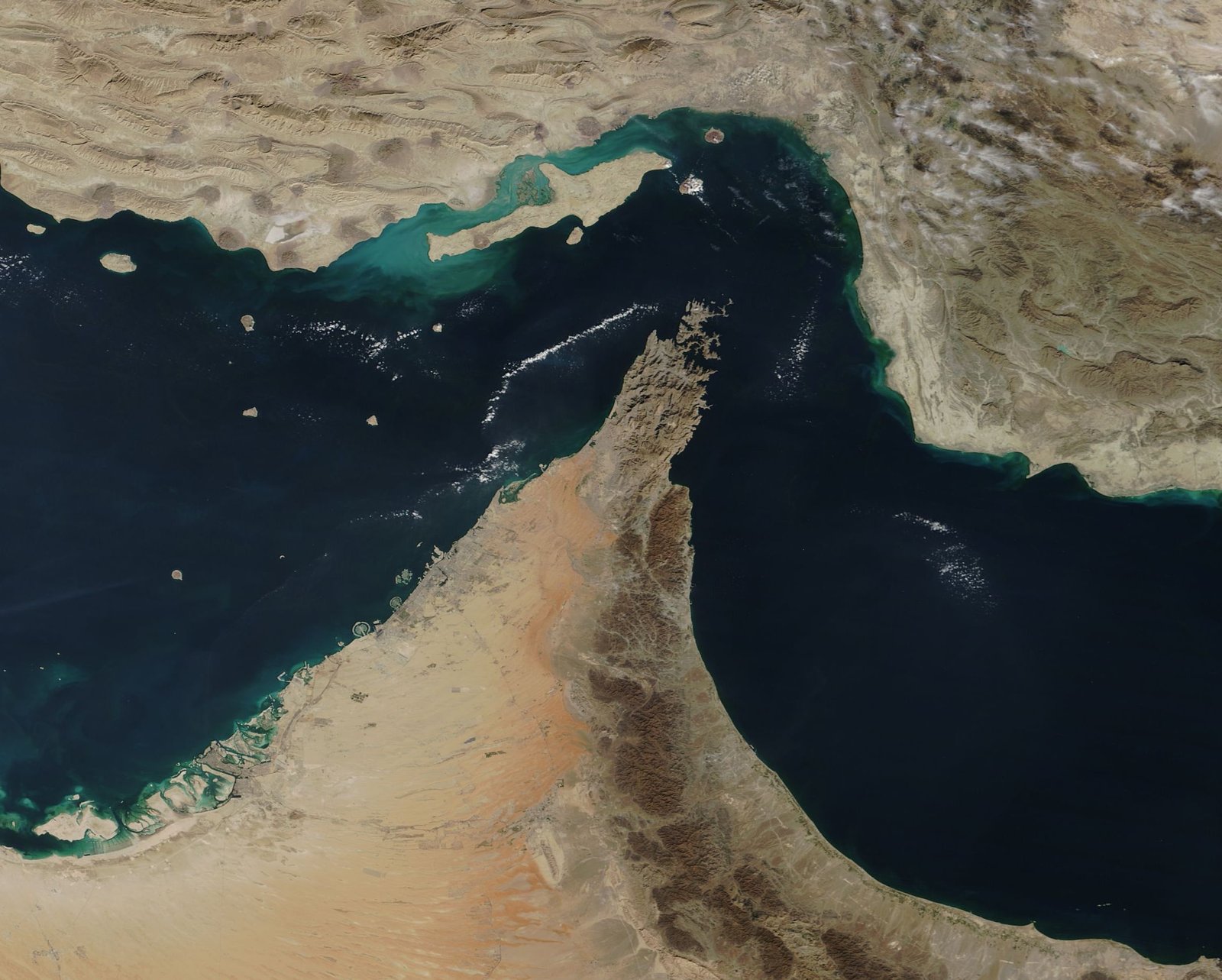
On Friday, Bitcoin saw significant price movement, trading near $62,900 in the afternoon before recovering to approximately $63,900 into early Saturday, then consolidating throughout the European morning. This volatility coincided with critical disruptions in the Strait of Hormuz, a vital passageway through which about 20.9 million barrels of oil flow daily—representing roughly one-fifth of total global petroleum consumption. Today, effective commercial traffic through the strait has plummeted to near-record lows due to renewed tensions between the United States and Iran. Washington reimposed a naval blockade on Iranian ports after launching approximately 140 airstrikes on July 11, the largest escalation in the running conflict according to the Hormuz Strait Monitor, prompting Iran to retaliate with direct attacks on US interests and Gulf shipping assets.
These developments triggered a surge in Brent crude, which settled at $85.97 on July 17, marking a 2.06% increase from the previous day and a 24% rise year-on-year. West Texas Intermediate also climbed, while tanker departures through the Strait dwindled as insurers and shippers weighed escalating risks and increased costs. Bitcoin’s flat weekend trading contrasts with legacy asset classes—such as oil futures, Treasuries, and US equities—which are closed, positioning BTC alone in bearing real-time price discovery pressures as geopolitical risk mounts. In broader market context, Bitcoin and crypto markets have historically responded rapidly to geopolitical or macro shocks, reflecting both their global access and persistent trading hours.
Why It Matters
The closure of normal commerce through the Strait of Hormuz is a macro event with immediate and second-order consequences. Elevated energy prices drive up global inflation expectations, influencing Treasury yields and strengthening the US dollar. These macro linkages directly affect risk asset valuations, including cryptocurrencies. With most traditional markets shuttered through the weekend, Bitcoin takes center stage as the sole liquid global asset capable of repricing risk in real time. This increases both opportunity and volatility, as BTC absorbs news flow and sentiment before other markets can react. Market participants must be attentive to liquidity, which can thin out during global crises, exacerbating moves in either direction.
The current standoff has further cemented Bitcoin’s emerging role as a weekend risk proxy, a position previously held by FX and certain commodities but intensified by crypto’s unmatched trading hours. While this status draws institutional attention to Bitcoin as an early barometer for macro uncertainty, it also subjects crypto to heightened volatility, as trading depth and hedging tools are less robust outside of weekdays. Historically, sharp rebounds or sell-offs in BTC during geopolitical events have both preceded and forecasted market sentiment in legacy assets come Monday open.
Key Takeaways
- Bitcoin stabilized near $63,900 after volatility tied to the Strait of Hormuz effectively closing to commerce.
- Oil prices surged as tankers rerouted and risks around Gulf shipping soared.
- The US-Iran conflict escalated, triggering a naval blockade and targeted attacks impacting global trade.
- With traditional markets closed, Bitcoin led real-time risk pricing over the weekend.
What’s Next
Going forward, the market will monitor whether tensions in the Strait of Hormuz persist or ease, with knock-on effects for energy prices, inflation expectations, and risk asset sentiment. Should blockades or missile attacks continue, Bitcoin may see continued volatility and could set the tone for traditional market opens on Monday. Conversely, any diplomatic breakthroughs or easing in military actions could pull both oil and BTC back towards a steadier range. Analysts will particularly focus on crypto’s liquidity conditions, funding rates, and weekend flow as key signals for broader market risk appetite.
🧠 HafidWatch Take
Bitcoin steadied near $63,900 after volatility linked to geopolitical tensions in the Strait of Hormuz and rising oil prices. Renewed US-Iran hostilities threaten vital oil transit, raising inflation and macro uncertainty, and positioning Bitcoin as a first-mover in global risk pricing over the weekend.
Daily crypto intelligence. Before the market opens.
Including the Divergence Index — the sentiment gap no other newsletter tracks. Free, every morning at 7:30am ET.
✓ Free forever · ✓ No spam · ✓ 50+ sources monitored