⏱ 2 min read
Futures lean to December for the next hike as CPI runs at 3.7% and core at 2.6%, both above the Fed’s 2% target.
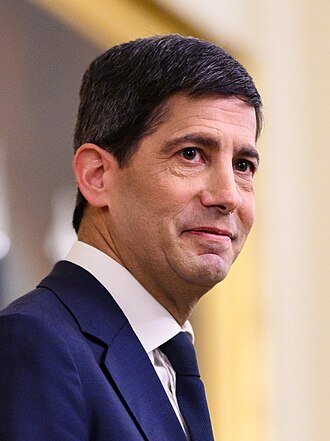
With fed expected to hold rates, traders are leaning toward December for the next move, according to CME Group’s FedWatch tool, while attention centers on Chairman Kevin Warsh’s effort to dial back forward guidance. The report says markets overwhelmingly expect no change when the Federal Open Market Committee announces its decision Wednesday, after September’s quarter percentage point increase.
Warsh has pushed for less signaling and more data dependence. Evercore ISI’s Krishna Guha interprets Warsh’s recent remarks as consistent with a “deliberative and methodical” pace of roughly once per quarter, and the report cites chatter from Vice Chair Philip Jefferson and New York Fed President John Williams about hikes at every other meeting. FedWatch pricing points to about a 10% chance of a hike this week and better than 80% for December.
Inflation readings remain above target. The report says headline CPI ran at 3.7% in September, which is 1.7 percentage points over the Fed’s 2% goal, while core CPI was 2.6% — 0.6 percentage points above target — after rising 0.3 percentage point from August. Energy costs drove much of the headline print, according to the report.
Other parts of the economy are mixed. The report says mortgage rates above 7% are pressuring housing, layoffs remain near late-1960s lows even as job seekers struggle to find work, and the Chicago Fed’s financial conditions index has tightened slightly since the September hike amid stock volatility.
Signals point to a slower, quarterly pace
Deutsche Bank’s Brett Ryan wrote that Warsh “is likely to signal that recent inflation data reinforce expectations from the September meeting that further tightening will likely be needed over time,” adding that “skipping October allows officials more time to assess trends in the data.” That stance fits Guha’s reading of a gradual cadence with scope to adjust if inflation disappoints or growth fails to moderate.
Communication risk as guidance recedes
Guha said “there is material execution risk” as the Fed avoids detailed forward guidance, a shift that could leave markets to parse data in real time while housing and labor dynamics diverge. Mohamed El-Erian expects further increases but argued, “My problem is that it’s the wrong policy measure right now,” saying tightening would weigh on housing and consumer loans more than on tech.
FedWatch also shows the likelihood of another increase in March 2027 and about a 50-50 chance of a final move before year-end 2027, according to the report. The next concrete step is Wednesday’s decision and Warsh’s message on how the committee is reading the data.
Source: CNBC.
This article was written with AI assistance and reviewed by an editor.
This content is for informational purposes only and does not constitute financial advice.
🧠 HafidWatch Take
The divergence between market expectations reflected in FedWatch probabilities and the Fed’s cautious communication could increase volatility as investors react to incoming data without clear guidance. If economic indicators like housing or labor diverge significantly from projections, markets may reassess the timing and scale of rate hikes, potentially leading to sharper swings in asset prices and lending conditions. This uncertainty underscores how closely market sentiment is tied to real-time data interpretation amid limited forward guidance.
Daily crypto intelligence. Before the market opens.
Including the Divergence Index — the sentiment gap no other newsletter tracks. Free, every morning at 7:30am ET.
✓ Free forever · ✓ No spam · ✓ 50+ sources monitored