⚖️ Neutral
⏱ 3 min read
The U.S. Treasury has sanctioned two Iranian firms for running a bitcoin-based maritime insurance platform for ships transiting the Strait of Hormuz, raising global compliance and regulatory risk for any entity interacting with the service—even via digital assets.
What Happened
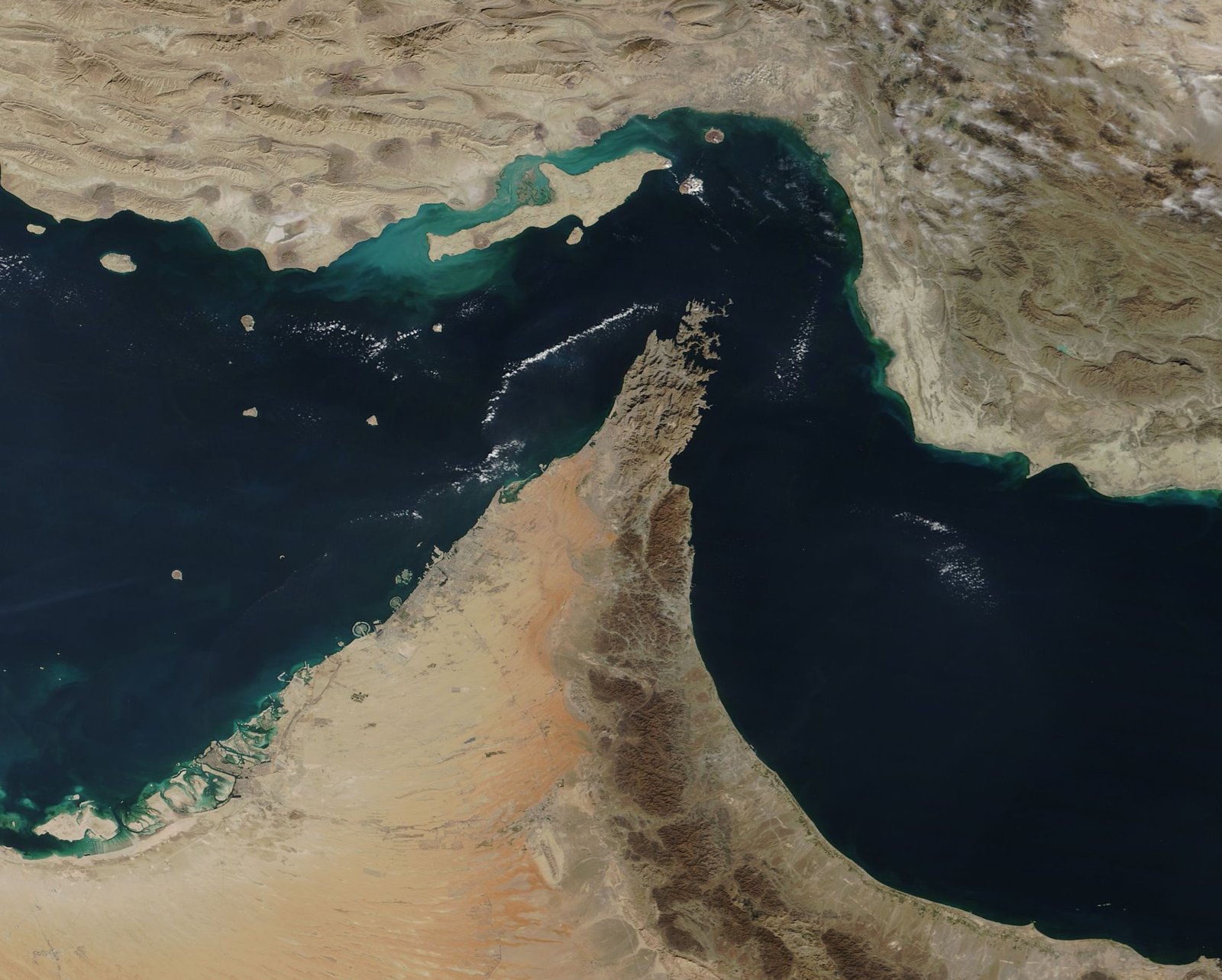
The U.S. Department of the Treasury, through its Office of Foreign Assets Control (OFAC), has announced sanctions against the Persian Gulf Marine Insurance Company and HormuzSafe Marine Services Authority. These Iranian entities operated a maritime insurance platform known as Hormuz Safe, which required ships passing through the high-traffic and strategically critical Strait of Hormuz to purchase insurance policies. Notably, the platform accepted payments in bitcoin and other digital assets, a setup Treasury believes was designed to skirt existing U.S. and international sanctions. The platforms were described as conduits for funneling proceeds to Iran’s Islamic Revolutionary Guard Corps (IRGC) and facilitating Iran’s economic interests despite formal trade restrictions.
Treasury authorities stressed that the insurance policies covered risks such as ship seizures and disruptions, which they assert are “overwhelmingly created by Iran itself.” The platform’s emergence follows public proposals by Iran’s Ministry of Economy to utilize crypto-based insurance models for international shipping, as reported by state-linked Fars News and picked up by CoinDesk. However, questions remain about the operational status of Hormuz Safe, with only a basic landing page online at the time of reporting and no confirmed usage by cargo owners. Importantly, the two sanctioned firms are now completely off-limits for U.S. persons, and foreign corporations interacting with these platforms—even solely through crypto transactions—risk being swept up by secondary sanctions.
Why It Matters
This development is significant on multiple fronts: for the crypto sector, it marks a further extension of sanctions enforcement into blockchain-based payment rails; for the global shipping and energy markets, it increases risk and compliance burdens for operators transiting a chokepoint responsible for a sizable fraction of world oil flows. Accepting crypto payments does not shield parties from regulatory scrutiny or U.S. enforcement action, demonstrating regulators’ capacity to adapt to new methods of economic circumvention. In broader market context, the evolving use of bitcoin and other digital assets for sanctions evasion has led to increased vigilance from regulatory bodies worldwide and new institutional pressures for enhanced compliance across crypto markets.
Analytically, the case illustrates a critical second-order effect: as sanctioned entities adopt blockchain technology, the U.S. and others respond with more sophisticated tracing and enforcement mechanisms. The overlapping of maritime security, sanctions policy, and crypto regulation highlights an emerging complexity in global trade—where compliance is no longer limited to fiat rails. The inclusion of secondary sanctions expands exposure far beyond U.S. businesses, underlining the transnational impact of digital asset transactions with designated parties. Historically, such chokepoints in enforcement have led institutions to bolster risk management and monitoring capacity.
Key Takeaways
- The U.S. sanctioned Iranian firms for a bitcoin-based maritime insurance scheme in the Strait of Hormuz.
- The arrangement allegedly forced ships to buy insurance covering Iran-generated risks, accepting crypto payments.
- Foreign companies transacting with the platforms, even via digital assets, face secondary sanctions.
- Regulators are increasing scrutiny on the use of crypto for sanctions evasion in critical industries.
What’s Next
The market will be watching for signs of broader enforcement against crypto-enabled sanctions evasion schemes, particularly those linked to critical infrastructure sectors like shipping and energy. Analysts will focus on whether other sanctioned jurisdictions mirror Iran’s approach, and how regulators respond in terms of tracking, compliance requirements, and guidance to DeFi and centralized marketplaces. The evolving regulatory landscape will require both crypto industry players and global shipping concerns to proactively assess counterparty risk, KYC obligations, and the implications for cross-border activity going forward.
🧠 HafidWatch Take
The U.S. Treasury sanctioned two Iranian firms for operating a bitcoin-based maritime insurance scheme in the Strait of Hormuz. Payments in crypto formed part of alleged Iranian efforts to evade sanctions, exposing foreign companies dealing with the scheme to secondary sanctions.
Daily crypto intelligence. Before the market opens.
Including the Divergence Index — the sentiment gap no other newsletter tracks. Free, every morning at 7:30am ET.
✓ Free forever · ✓ No spam · ✓ 50+ sources monitored