⚖️ Neutral
⏱ 3 min read
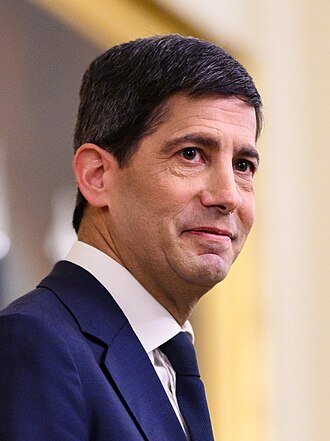
Federal Reserve Chair Kevin Warsh delivered unequivocal testimony to Congress, vowing to eradicate inflation and prioritizing institutional reform, while spotlighting artificial intelligence as a catalyst for U.S. economic progress.
What Happened
In his appearance before both the House Financial Services Committee and the Senate Banking Committee, Chairman Kevin Warsh made clear that the Federal Reserve’s chief mandate is to return inflation to target levels and restore price stability. During testimony just two months into his tenure, Warsh was vocal about what he sees as the failures of the previous flexible inflation targeting framework adopted by the Fed in 2020—describing it as a significant misstep that allowed inflation to become a persistent economic headwind. The Chairman framed inflation as an “unfair burden” on both households and businesses and promised to treat its reduction as a top priority. To that end, Warsh announced the creation of five internal task forces to examine and reform the Fed’s communication, technology, balance sheet operations, data usage, and approaches to inflation assessment. These initiatives reflect the Fed’s determination to modernize its processes and reclaim control over inflation dynamics.
Warsh’s strategy reveals a focus on both immediate stabilization and longer-term improvement in the central bank’s toolkit. Notably, he cited recent progress—claiming a “sea change” of new thinking and measurable reform within just six weeks. By incorporating advances in technology and spotlighting investment in artificial intelligence, Warsh sketched a future where the U.S. economy could achieve substantial gains through innovation-led growth. While Warsh’s remarks were forward-looking, they also reflect a moment of institutional introspection at the Fed, acknowledging policy missteps and setting the stage for ongoing adaptation. Historically, such inflection points at major central banks can herald policy regime changes with lasting market and economic ramifications.
Why It Matters
For both asset markets and the broader economy, Warsh’s course correction at the Fed is consequential. Investor confidence and consumer purchasing power have been eroded by elevated inflation, while attempts to curb price pressures often risk economic slowdown. A clear, credible commitment to rein in inflation—paired with genuine institutional reform—can support market stability and improve inflation expectations. Warsh’s focus on technology and AI signals a recognition that new economic drivers require updated policy frameworks, potentially positioning the U.S. more competitively in the years ahead.
Second-order effects arise from the Fed’s open willingness to question its own doctrine and change course rapidly. Such breaks with precedent sometimes unsettle markets in the short-term as participants recalibrate around new guidance. Yet, in the medium and long term, successful policy reorientation can anchor inflation expectations, rebuild central bank credibility, and alter the monetary transmission mechanism. The integration of AI and technology in policy workstreams suggests the Fed is aiming to match its analytical tools to a more complex and data-rich economic reality. However, the ultimate impact will depend on sustained implementation and clear communication.
Key Takeaways
- Warsh classifies prior flexible inflation targeting as a misstep and prioritizes regime change.
- Five new task forces target internal Fed reforms, focusing on communications, tech, and inflation methods.
- AI investment is highlighted as a critical future economic growth vector for the U.S.
- Market participants will scrutinize whether these rapid reforms yield tangible inflation and policy improvements.
What’s Next
The market will be closely watching the pace and depth of the announced reforms, especially as congressional testimony often shapes public and investor sentiment around central bank credibility. Analysts will monitor whether Warsh’s rhetoric is matched by effective implementation and improved inflation outcomes in practice. Signs of early success could reinforce expectations for continued progress, while setbacks or policy inconsistency may test the Fed’s resolve. The degree to which AI and technological integration enhance the Fed’s decision-making will also become a point of industry and policy focus in coming quarters.
🧠 HafidWatch Take
Federal Reserve Chairman Kevin Warsh delivered a resolute message to Congress, pledging unwavering action against inflation and highlighting AI’s positive impact on the U.S. economy. Warsh emphasized recent internal reforms and criticized prior Fed policy, underlining a new approach to monetary management.
Get The Hafid Brief every morning
Crypto & markets. Fast, filtered, serious. Free. Delivered at 7:30am ET.