🔄 Mixed
⏱ 3 min read
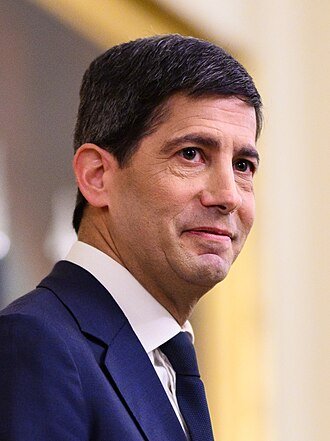
Bitcoin rallied back toward $60,000 after Federal Reserve Chair Kevin Warsh emphasized a decline in inflation risks and reaffirmed the central bank’s 2% inflation target, while also underlining the emerging influence of AI on the economy and monetary policy.
What Happened
On Wednesday, Bitcoin surged from earlier losses to trade above $58,500 and approached the key $60,000 threshold following remarks from Fed Chair Kevin Warsh. Warsh’s statements came during a panel at the European Central Bank’s annual forum in Sintra, Portugal, which also featured the heads of other major central banks. Warsh noted that inflation risks in the U.S. had come down and reaffirmed the Fed’s unwavering commitment to returning inflation to its 2% target, signaling that the central bank would not accommodate a higher inflation regime. Importantly, Warsh declined to provide explicit forward guidance on the next rate move, instead emphasizing a data-dependent approach for the upcoming policy meeting set for four weeks from now.
Bitcoin responded to these developments by reversing earlier declines, registering a gain of over 2% on the day and briefly trading near $60,000, according to CoinDesk data. In broader market context, such a reaction is consistent with crypto’s sensitivity to shifts in U.S. monetary policy signals. Warsh further highlighted the transformative potential of artificial intelligence, arguing that ongoing AI-driven capital expenditure could not only support demand in the short term but also expand the U.S. economy’s supply side over time. He noted that, unlike previous cycles dominated by financial engineering, firms were investing in anticipation of genuine productivity gains, with possible far-reaching policy impacts.
Why It Matters
For investors, Warsh’s remarks matter on several fronts. The immediate takeaway is that easing inflation risk reduces the likelihood of tighter policy in the near term, which supports risk assets like Bitcoin. Warsh’s reiteration of the Fed’s 2% inflation target offers clear signals that policy will remain focused on price stability, reducing the odds of market-disrupting surprises regarding inflation tolerance. The removal of explicit forward guidance introduces new uncertainty, making the Fed’s rate path increasingly contingent on incoming economic data. Meanwhile, the cryptocurrency market’s move underscores the interplay between macro policy signals and digital asset pricing.
The deeper significance lies in Warsh’s focus on the AI investment boom. Historically, supply-side shocks—whether productivity gains from new technologies or demographic forces—have often complicated monetary policy. If AI-driven capital spending genuinely expands productive capacity, it could alleviate inflationary pressures over the medium term, potentially accelerating normalization of policy and dampening volatility in risk assets. However, such supply-side effects are difficult to estimate and take time to materialize, introducing a layer of uncertainty into policy forecasting and asset allocation. Crypto markets, acutely attuned to regime shifts, may remain volatile as investors grapple with this new structural narrative.
Key Takeaways
- Fed Chair Warsh stressed falling inflation risks and a continued 2% target commitment.
- BTC rebounded, reversing prior losses and moving back toward the $60,000 level.
- AI investments may expand the U.S. economy’s supply side, shaping future policy debates.
- Markets face reduced forward guidance and higher reliance on near-term policy signals.
What’s Next
Attention now shifts to the Fed’s next policy meeting in four weeks, where data-dependent decision making will become even more prominent. Investors and analysts will closely monitor economic indicators for clues on inflation and potential rate changes, while paying careful attention to ongoing trends in AI-driven corporate investment. The evolving narrative around technology’s role in shaping both macro growth and monetary policy will likely remain a key catalyst for volatility in both crypto and traditional asset markets. The market will be watching whether sustained AI-related capital expenditure translates into meaningful long-term changes in inflation and policy stances.
🧠 HafidWatch Take
Bitcoin rebounded above $58,500 and approached $60,000 after Fed Chair Kevin Warsh highlighted easing inflation risks but firmly reiterated the 2% target. Warsh also stressed AI’s potential to reshape the economy, hinting at long-term implications for monetary policy, while declining fresh rate guidance.
Get The Hafid Brief every morning
Crypto & markets. Fast, filtered, serious. Free. Delivered at 7:30am ET.