🔄 Mixed
⏱ 3 min read
Bitcoin’s surge above $63,200, even as global markets digested the highest US producer inflation since 2022 and a critical oil chokepoint closure by Iran, signals a marked resilience in risk assets to intertwined macro and geopolitical shocks.
What Happened
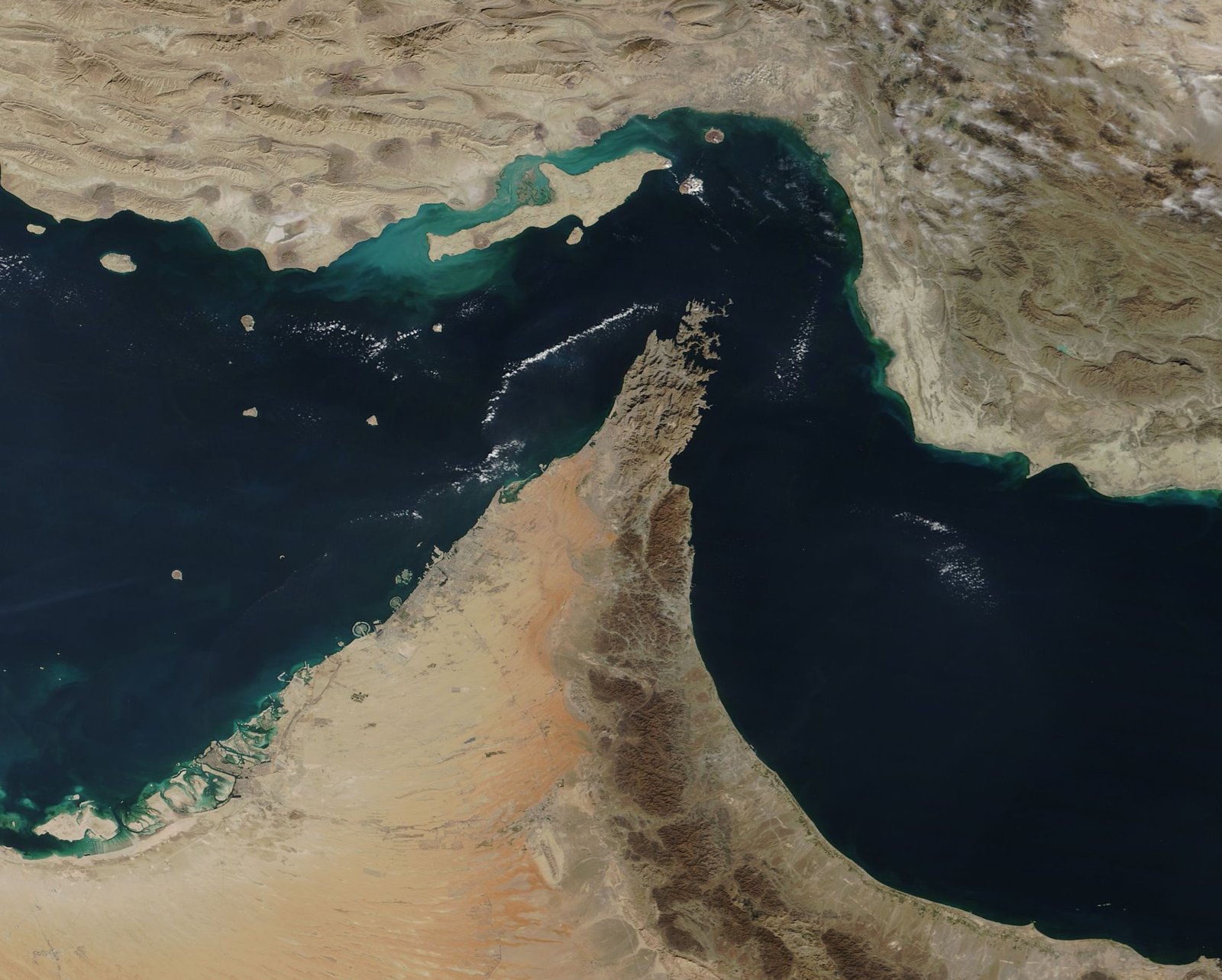
On Thursday, Bitcoin (BTC) climbed to an intraday high of $63,200 on Bitstamp, staging a robust rebound in the face of intensifying global headwinds. The session was shaped by two simultaneous shocks: the US Producer Price Index (PPI) registered its highest reading since October 2022, reigniting inflation fears across risk assets; meanwhile, Iran’s announcement of an indefinite closure of the Strait of Hormuz—through which a substantial portion of global oil transits—sparked further turbulence in energy and currency markets. The closure came after attacks on US infrastructure in the Gulf, escalating regional tensions and prompting swift market reactions.
Traders monitored a sharp jump in WTI crude oil, rising above $91 per barrel on fresh concerns about energy disruptions. US President Donald Trump responded with strong warnings and the threat of expanded military actions targeting Iranian oil infrastructure, drawing comparisons to prior US control strategies in other energy markets. As macroeconomic and geopolitical variables collided, BTC/USD’s rise stood out—reflecting either risk-seeking flows, safe-haven buying, or short-term technical factors. According to QCP Capital, markets are now being forced to price “both military escalation risk and potential energy disruption risk at the same time,” producing a challenging environment for risk asset allocation.
Why It Matters
Bitcoin’s ability to rebound sharply amid surging oil prices and inflationary signals is being closely watched as a proxy for shifting risk tolerance across global portfolios. Normally, the mix of rising energy costs and geopolitical turmoil triggers flight from risk assets like crypto; here, however, BTC’s recovery may reflect increased market depth, institutional participation, or evolving perceptions of digital assets as portfolio diversifiers during stress. The unusual correlation breakdown—the resilience of crypto despite a classic risk-off environment in other markets—is noteworthy and signals that global traders may be repricing macro and geopolitical shocks differently than in past cycles.
This response has second-order effects. If Bitcoin and digital assets can absorb energy and inflation shocks without immediate deleveraging, larger allocators may revisit assumptions about volatility management and hedging with crypto exposure. Whereas previous episodes of Middle East tension and US inflation led to sharp outflows in risk assets, today’s rebound may point to more adaptive market infrastructure, improved liquidity, and a more diversified participant base. However, skeptics will caution that headline risk from further escalations or inflation prints could quickly reverse optimism.
Key Takeaways
- Bitcoin rebounded above $63,200 following both the closure of Hormuz and a US inflation spike.
- Oil markets surged, amplifying macroeconomic risk and drawing political response from the US.
- Analysts note that risk pricing now integrates military and energy disruption threats concurrently.
- BTC’s resilience marks a possible evolution in risk appetite and market structure.
What’s Next
The market will be watching how sustained institutional flows react to heightened macro and geopolitical volatility, especially if headline risk from Hormuz escalates further. Analysts will focus on BTC’s ability to fill remaining gaps in CME futures, oil’s ongoing reaction to regional instability, and whether risk-asset resilience holds if the inflationary backdrop persists or worsens. As always, developments that significantly alter the US dollar’s profile or regional energy flows could reframe risk-off triggers for digital assets in the weeks ahead.
🧠 HafidWatch Take
Bitcoin returned to $63,200, largely shrugging off a double shock: the highest US PPI inflation since October 2022 and Iran’s closure of the vital Strait of Hormuz. Despite heightened geopolitical risk and surging oil prices, crypto markets rebounded, revealing resilient risk appetite and renewed volatility.
Get The Hafid Brief every morning
Crypto & markets. Fast, filtered, serious. Free. Delivered at 7:30am ET.